Contact us

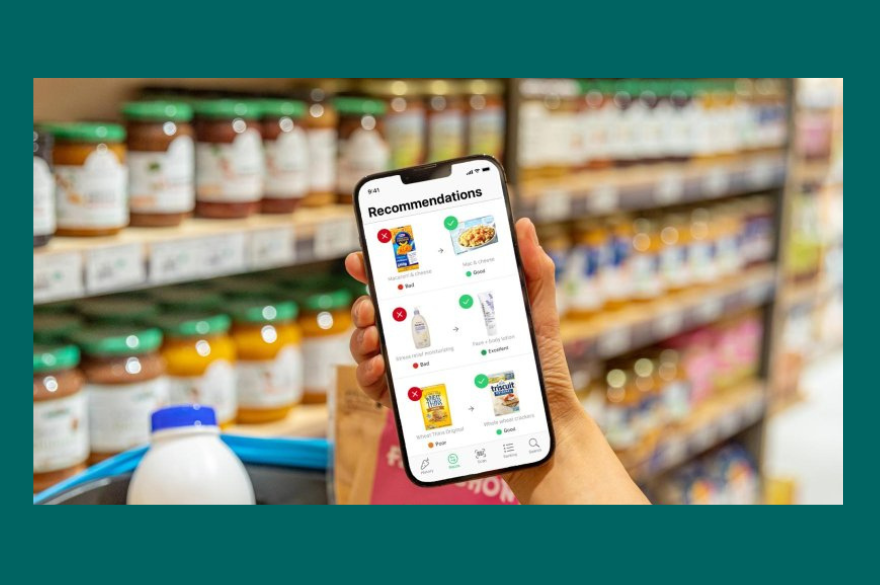
A shopper stands in the cereal aisle and reaches for a familiar product. Then they pause and out comes the phone. A quick scan, a coloured score appears on the screen, and a different box goes into the basket.
Beyond health and wellness trends, the rise of consumer product scanning apps signals a shift in how consumers make purchase decisions in store. This is particularly so for grocery and cosmetics due to apps like Yuka and Open Food Facts.
AI is making it easier for consumers to quickly and conveniently inform themselves about detailed aspects of the products they put in their shopping basket. What was once a largely subconscious journey, driven by shelf placement, price tickets and brand familiarity is becoming a data-mediated process. Apps are acting as real time decision engines at point of sale, empowering customers to make informed choices based on the things that matter to them, from health to wellness and sustainability.
In an era where a single scan can influence a buying decision, category managers must consider how to integrate data-driven shopper insights into assortment design, and they need to do it in a way that is commercially sound and operationally scalable.
They need tools that make it easy and are easy to implement, ideally using data already available and even better, the same data the consumer apps are using.
Does the range include options that meet factors that are not only important to consumers, but able to be reported on? Are key attributes defined, measurable and visible through consumer-facing apps? And are these captured in your Product Information database?
Products flagged as good or excellent may gain traction faster or highlight opportunities where health attributes are strong and drive demand or switching. Incorporate insights from attribute-based shopping data and use shifting demand cues in range reviews.
The product information data available to retailers and manufacturers is now available to consumers. Use it to your advantage to create more resilient category strategies.
Delivering on these is beyond not just human capability, but also traditional tools, for example algorithms captured in Excel workbooks. Increasing complexity in category decision science requires the latest in AI-driven tooling designed specifically to optimise assortments.
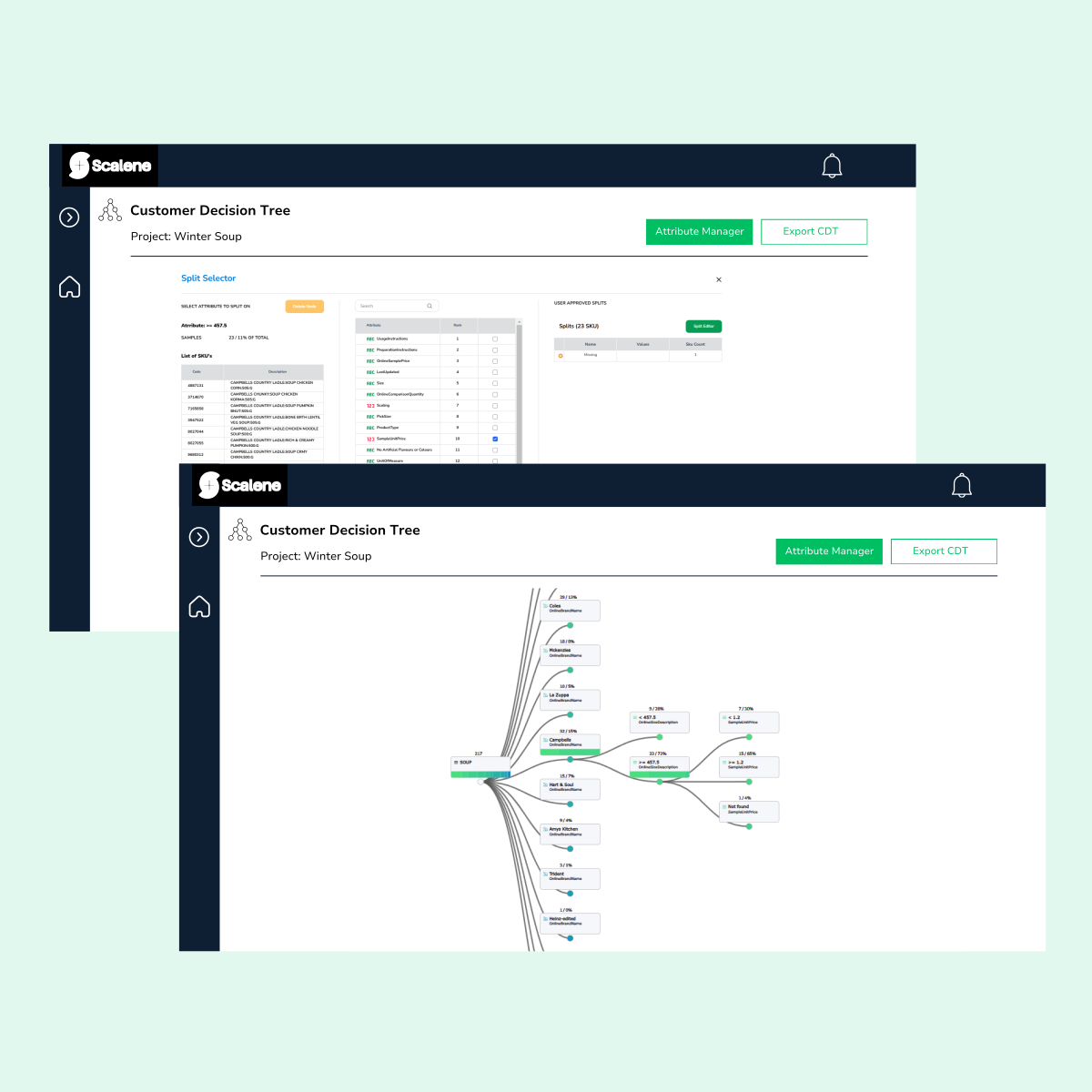
Our Customer Decision Tree (CDT) tool leverages the attributes already retained in product information held by the retailer and adapts to reflect the changing priorities of consumers. When the attributes that are surfaced in scanning apps are present within your product information management framework the decision tree can adjust dynamically based on sales data.
By structuring CDTs around product attributes, retailers and category managers can be confident they’re presenting a complete and coherent assortment that meets customer needs across all store sizes, formats, and ranging variations. This attribute-led approach ensures that important customer decision drivers are represented, reducing the risk of gaps or over-representation within the range.
It also provides a powerful mechanism to support assortment simplification. By identifying products with overlapping or duplicated attributes, category managers can more confidently rationalise the long tail, while protecting items that deliver unique or differentiated value to their customers. The result is a more focused assortment that maintains choice where it matters most, without unnecessary SKUs.
CDTs are inherently built on complexity but shouldn’t be complicated to use. The complexity sits in our AI-driven platform not in usability, which is quick and intuitive. Due to the tool being web-based it’s also cost effective and easy to implement, delivering value and ROI from the day you start using it.
Retailers and manufacturers relying solely on traditional frameworks risk falling out of sync with how decisions are actually being made at the shelf. Those taking a data-driven approach will maintain a competitive edge over those that are not.
Talk to us about how our tools and expertise can enhance your range review process and optimise your assortment to perform in each and every store.